
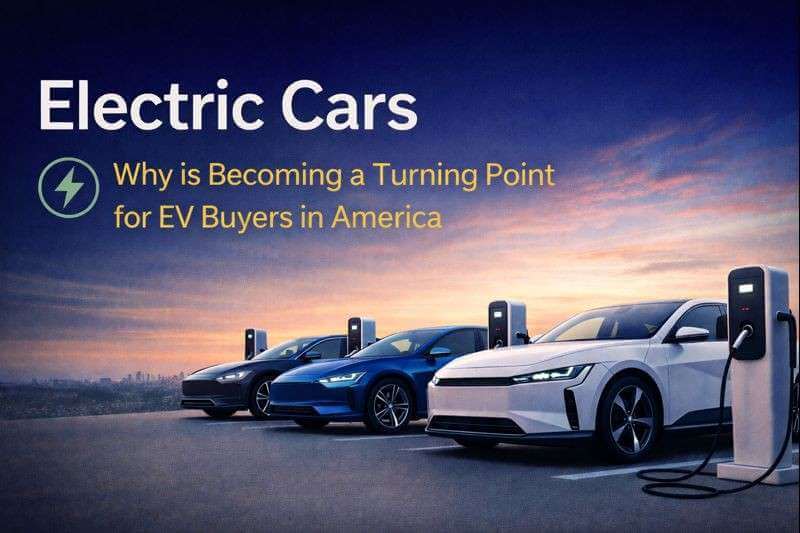
The electric car market in the United States is entering a defining phase. What once felt like a niche choice for early adopters has now become a serious option for everyday drivers. In 2025, electric cars are no longer experimental machines or limited compliance vehicles. They are practical, powerful, and increasingly affordable. With better range, faster charging, and improved driving experience, electric cars are changing how Americans think about mobility.
Electric Cars Are No Longer Just a Trend
Electric cars have matured rapidly over the last few years. Earlier models often required compromise, whether in driving range, charging time, or interior comfort. Today’s electric cars are designed to fit seamlessly into daily life. Many new models now offer ranges comparable to gas-powered vehicles, while maintaining lower running costs and quieter operation.
This shift is why more American families are considering an electric car as their primary vehicle rather than a second option.
What Makes Modern Electric Cars Different
Modern electric cars are built on dedicated EV platforms rather than modified gasoline designs. This allows manufacturers to optimize battery placement, weight distribution, and interior space. The result is better handling, smoother rides, and more room for passengers and cargo.
Another major change is charging speed. Fast-charging technology has improved significantly, allowing many electric cars to regain most of their range in under half an hour. This removes one of the biggest psychological barriers for buyers who worry about long trips.
Range Anxiety Is Becoming Less Relevant
Range anxiety has long been one of the biggest concerns around electric cars. In 2025, that concern is fading. Many electric vehicles now offer well over 300 miles of range on a single charge. For most drivers, this covers an entire week of commuting without plugging in.
Charging infrastructure has also expanded across highways, cities, and suburban areas. Public charging networks continue to grow, making it easier for drivers to plan longer journeys with confidence.
Electric Cars and Everyday Driving
Electric cars are especially well-suited for daily use. Instant torque makes city driving smooth and responsive. Stop-and-go traffic feels less stressful due to quiet acceleration and regenerative braking.
Many drivers also appreciate the simplicity of electric powertrains. With fewer moving parts than traditional engines, electric cars require less routine maintenance. There are no oil changes, fewer mechanical failures, and lower long-term service costs.
Why Electric Cars Appeal to a Wider Audience Now
Electric cars are no longer targeted only at tech enthusiasts. Manufacturers are designing EVs for families, commuters, adventure seekers, and performance lovers alike. From compact city cars to larger crossovers and performance-focused models, the market now offers options for nearly every lifestyle.
Another reason for broader appeal is familiarity. Modern electric cars are designed to feel intuitive. Drivers can step into an EV and operate it without learning complex systems or new habits. This ease of use is crucial for widespread adoption.
The Role of Pricing in EV Adoption
Price has always been a critical factor. While electric cars were once significantly more expensive than gas-powered vehicles, the gap has narrowed. In some cases, electric cars now compete directly on price while offering lower operating costs over time.
Manufacturers are also becoming more strategic with pricing, offering multiple trims and battery sizes. This allows buyers to choose an electric car that fits both their budget and driving needs.
Electric Cars vs Gas Cars in 2025
When comparing electric cars to gasoline vehicles today, the differences are less dramatic than in the past. Electric cars deliver comparable or better acceleration, smoother rides, and quieter cabins. Gas cars still offer faster refueling, but charging convenience at home offsets that advantage for many drivers.
The long-term cost of ownership often favors electric cars. Lower fuel costs and reduced maintenance expenses add up over several years, making EVs financially appealing beyond the sticker price.
Charging Infrastructure Keeps Improving
Charging availability remains a key factor in electric car adoption. In 2025, charging networks are expanding faster than ever. High-speed chargers are becoming more common along highways, while workplace and apartment charging options are improving in urban areas.
Many electric car owners rely primarily on home charging, which is both cheaper and more convenient than frequent gas station visits. This shift changes how people think about refueling altogether.
Software and Technology Inside Electric Cars
Electric cars are increasingly defined by software as much as hardware. Infotainment systems, driver assistance features, and over-the-air updates are now standard expectations. These updates allow manufacturers to improve performance, efficiency, and user experience long after purchase.
For many drivers, this ongoing improvement adds value and keeps the car feeling current for years.
Environmental Impact and Public Perception
Environmental benefits remain an important factor, even as electric cars become more mainstream. Reduced tailpipe emissions and quieter streets contribute to improved air quality, especially in urban areas.
Public perception of electric cars has also shifted. They are no longer viewed as experimental or impractical. Instead, they are increasingly seen as smart, forward-looking choices that align with modern lifestyles.
Challenges That Still Remain
Despite progress, electric cars are not without challenges. Charging availability can still be inconsistent in some rural areas. Cold weather can affect battery performance, although improvements continue each year.
Some buyers remain hesitant due to misinformation or outdated assumptions about EV reliability. Education and real-world experience are slowly addressing these concerns.
Why 2025 Feels Like a Turning Point
The electric car market in 2025 feels different because it has reached a level of maturity. Manufacturers are refining rather than reinventing. Buyers have more confidence, more options, and clearer expectations.
Electric cars are no longer defined by what they lack compared to gas vehicles. Instead, they are increasingly judged on how well they meet everyday needs.
The Future of Electric Cars in America
Looking ahead, electric cars are expected to become even more common. Battery technology will continue to improve, charging will become faster, and prices are likely to stabilize further.
As adoption increases, electric cars will become a normal part of American roads rather than a novelty. The shift may not happen overnight, but the momentum is clear.
Conclusion
The electric car has evolved from a promising idea into a practical reality for millions of Americans. In 2025, electric vehicles offer strong performance, improved range, and real-world convenience without demanding major lifestyle changes.
For buyers considering a new vehicle, the electric car is no longer a risky experiment. It is a legitimate, reliable, and increasingly attractive choice that represents the future of driving in the United States.